


Capkek is more than just a sweet treat—it represents a modern twist on traditional baking that combines creativity, flavor, and visual appeal into one delightful experience. Whether you’re a passionate baker, a dessert enthusiast, or someone exploring trendy food ideas, capkek has likely caught your attention. The term “capkek” is often used as a stylized or alternative spelling of cupcake, but in many contexts, it reflects a more artistic, customized, and gourmet version of the classic dessert. Over time, capkek has evolved into a symbol of celebration, personalization, and culinary innovation, making it a favorite choice for birthdays, weddings, and social gatherings.
In this comprehensive article, we will explore everything about capkek—from its origins and unique characteristics to baking techniques, decoration ideas, and its growing popularity in the global dessert market. By the end, you’ll have a deep understanding of why capkek continues to charm dessert lovers around the world.
What is Capkek and Why is it Popular?
Capkek refers to a small, individually portioned cake that is typically baked in a cup-shaped container and topped with frosting, decorations, or fillings. What sets capkek apart from traditional cupcakes is its emphasis on design, flavor experimentation, and customization. Unlike standard cupcakes, capkeks often feature unique flavor combinations such as salted caramel, red velvet cream cheese, matcha, or even exotic fruit blends.
The popularity of capkek has surged due to social media platforms where visually appealing desserts gain massive attention. People are drawn to aesthetically pleasing foods, and capkek perfectly fits that trend with its vibrant colors, creative toppings, and artistic presentation. Additionally, capkek’s single-serving size makes it convenient and ideal for portion control, which appeals to modern consumers who want indulgence without excess.
The History and Evolution of Capkek
The concept of small cakes dates back to the 19th century when cupcakes were first introduced as a quicker alternative to traditional cakes. Over time, as baking techniques improved and culinary creativity expanded, the humble cupcake transformed into the more sophisticated capkek we know today.
In recent years, capkek has evolved into a gourmet dessert category. Professional bakers and home cooks alike experiment with textures, fillings, and toppings to create unique experiences. From buttercream swirls to fondant art and edible glitter, capkek has become a canvas for edible artistry. This evolution reflects broader trends in the food industry where presentation and personalization are just as important as taste.
Ingredients Used in Capkek Baking
The foundation of a great capkek lies in its ingredients. While the basic components remain similar to traditional cakes—flour, sugar, eggs, butter, and baking powder—the quality and combination of these ingredients significantly influence the final result.
Premium ingredients such as organic flour, high-quality cocoa powder, pure vanilla extract, and fresh dairy products can elevate the flavor of capkek. Additionally, modern recipes often incorporate alternative ingredients like almond flour, coconut sugar, or plant-based milk to cater to dietary preferences. The balance between moisture, sweetness, and texture is crucial, and skilled bakers carefully measure and mix ingredients to achieve perfection.
Creative Capkek Flavors and Variations
One of the most exciting aspects of capkek is the endless variety of flavors available. Traditional flavors like chocolate and vanilla remain popular, but innovative options have expanded the capkek universe. Bakers now experiment with combinations such as chocolate hazelnut, lemon raspberry, cookies and cream, and even savory-inspired variations.
Seasonal flavors also play a significant role in capkek trends. For example, pumpkin spice capkeks are popular in autumn, while tropical fruit flavors dominate summer menus. This versatility allows capkek to adapt to different occasions, cultures, and personal tastes, making it a truly universal dessert.
Capkek Decoration and Presentation Techniques
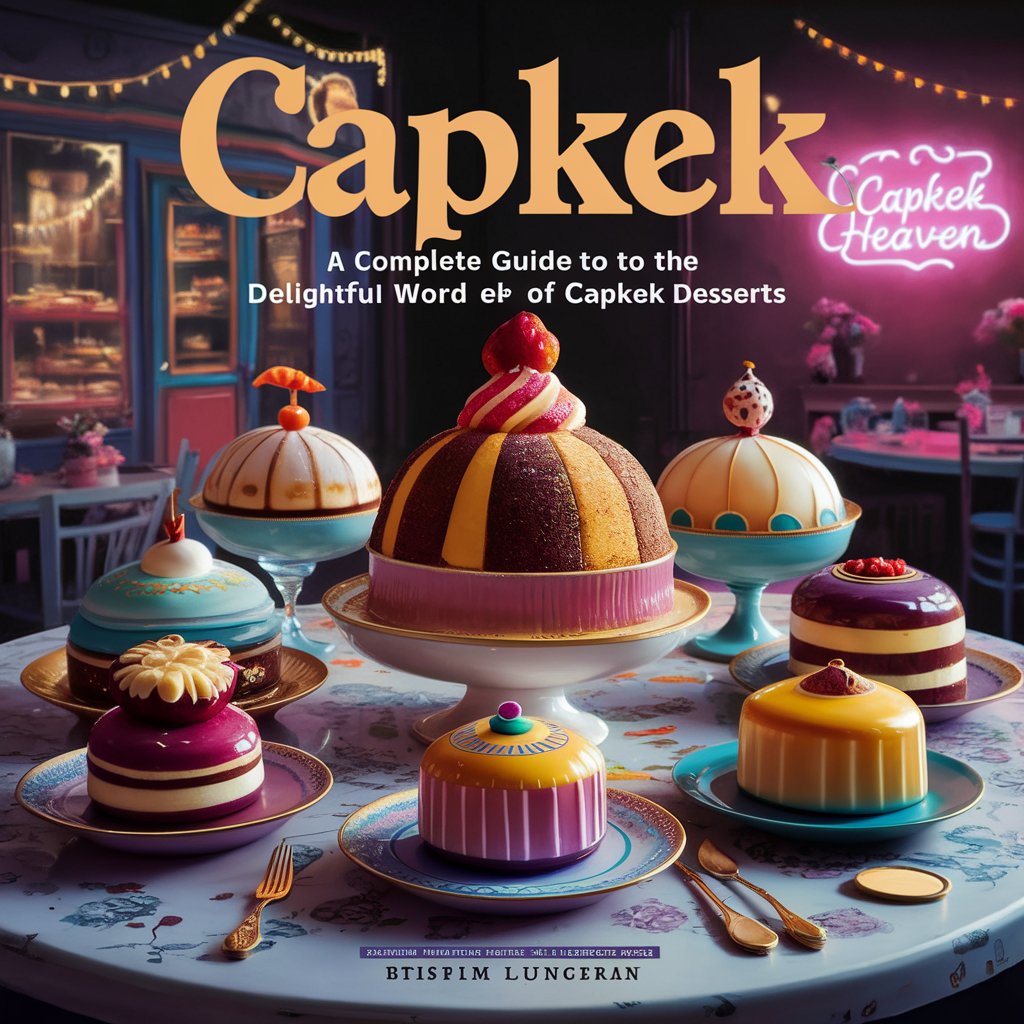
Decoration is where capkek truly shines. The visual appeal of a capkek can be just as important as its taste, especially for special events. Frosting techniques such as piping, layering, and sculpting allow bakers to create intricate designs. Common toppings include sprinkles, edible flowers, chocolate shavings, and fondant shapes.
Advanced decoration methods involve themed designs, such as cartoon characters, wedding motifs, or seasonal decorations. Many professional bakers treat capkek as edible art, using color theory and design principles to create visually stunning desserts. This artistic element is a major reason why capkek has gained popularity in the era of Instagram and food photography.
How to Bake the Perfect Capkek at Home
Baking capkek at home can be a rewarding experience if done correctly. The process begins with preparing the batter by carefully mixing dry and wet ingredients. Overmixing should be avoided, as it can result in dense cakes. Proper temperature control is essential, as baking at the right heat ensures even cooking and a soft texture.
Once baked, capkeks should be allowed to cool completely before frosting. This prevents the frosting from melting and ensures a clean finish. Using quality tools such as piping bags and nozzles can significantly improve the final presentation. With practice and patience, anyone can master the art of making delicious capkek at home.
The Business and Trend of Capkek Industry
The capkek industry has grown into a profitable segment of the bakery market. Many entrepreneurs have started home-based or commercial capkek businesses, offering customized designs for events and celebrations. The demand for personalized desserts has driven innovation and competition, leading to higher quality and more creative offerings.
Online platforms have also played a crucial role in promoting capkek businesses. Bakers can showcase their creations, attract customers, and even take orders through social media. This digital presence has transformed capkek from a simple dessert into a thriving business opportunity.
Health Considerations and Alternatives in Capkek
While capkek is undeniably delicious, it is important to consider its nutritional aspects. Traditional recipes can be high in sugar and calories, which may not suit everyone. However, healthier alternatives are now widely available.
Bakers are experimenting with low-sugar recipes, gluten-free flour, and vegan ingredients to create healthier versions of capkek. These options allow people with dietary restrictions to enjoy the dessert without compromising their health goals. Moderation remains key, but the availability of healthier choices makes capkek more accessible to a broader audience.
Conclusion: Why Capkek Continues to Win Hearts
Capkek has transformed from a simple baked good into a symbol of creativity, celebration, and modern culinary trends. Its versatility in flavors, designs, and presentation makes it suitable for any occasion, while its visual appeal ensures it remains a favorite in the age of social media. Whether enjoyed as a homemade treat or a professionally crafted masterpiece, capkek offers a delightful experience that goes beyond taste.
As the dessert industry continues to evolve, capkek is likely to remain at the forefront, inspiring bakers and delighting consumers with its endless possibilities. Its combination of tradition and innovation ensures that capkek will continue to win hearts for years to come.
Frequently Asked Questions (FAQs)
1. What is the difference between capkek and cupcake?
Capkek is often considered a more creative and modern version of a cupcake, focusing on unique flavors, artistic decoration, and customization.
2. Can I make capkek without an oven?
Yes, capkek can be made using alternative methods such as steaming or using a microwave, although the texture may differ slightly from oven-baked versions.
3. What are the best flavors for beginners?
Classic flavors like vanilla, chocolate, and red velvet are ideal for beginners before experimenting with more complex combinations.
4. How can I improve my capkek decoration skills?
Practice piping techniques, watch tutorials, and experiment with different tools and designs to enhance your skills over time.
5. Are there healthy capkek options available?
Yes, many recipes use low-sugar ingredients, gluten-free flour, or plant-based alternatives to create healthier versions of capkek.