
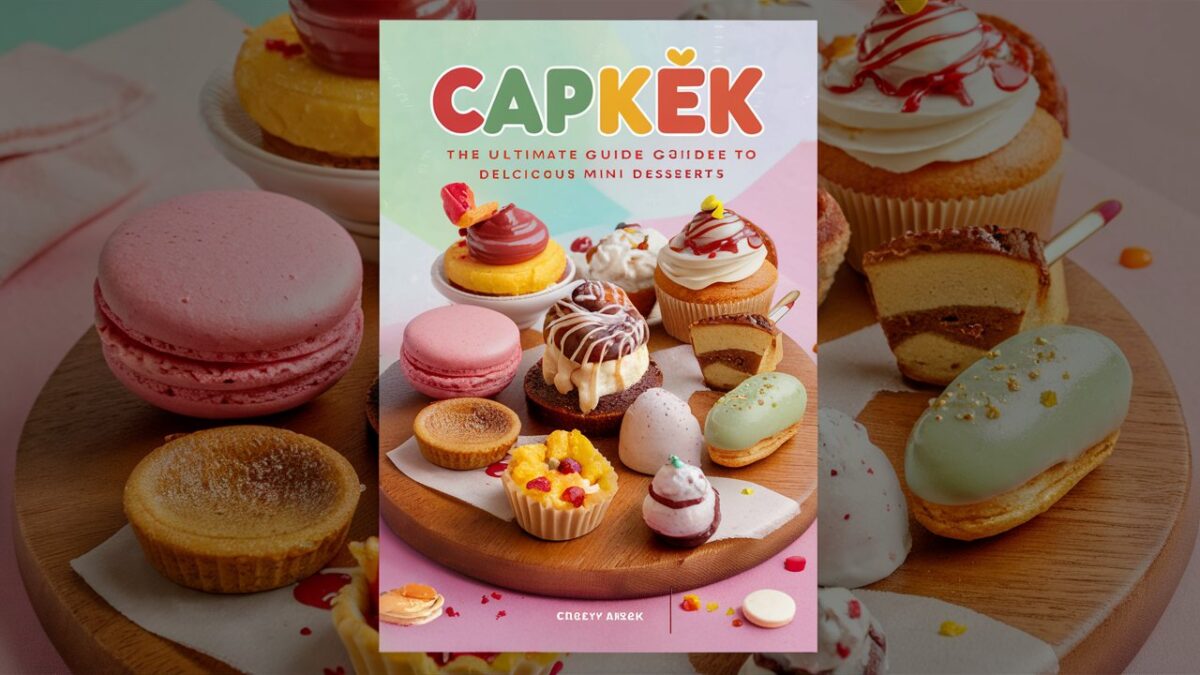

Capkek, often understood as a creative or stylized spelling of “cupcake,” represents one of the most beloved and versatile desserts enjoyed worldwide. These small, individually portioned cakes have become a staple in bakeries, celebrations, and home kitchens due to their convenience, variety of flavors, and visually appealing designs. Whether you are a beginner baker or an experienced dessert enthusiast, capkek offers endless opportunities for creativity and personalization. From classic vanilla and chocolate to exotic flavors and artistic decorations, capkek has evolved into more than just a dessert—it is a form of edible expression that reflects trends, culture, and individual taste.
History and Origin of Capkek
The concept of capkek dates back to the early days of baking when cakes were first divided into smaller portions to reduce baking time and simplify serving. Originally baked in small cups or ramekins, these mini cakes quickly gained popularity due to their practicality and portion control. Over time, capkek transitioned from a simple homemade treat into a global phenomenon, especially with the rise of boutique bakeries and social media platforms showcasing beautifully decorated desserts. Today, capkek is associated with celebrations such as birthdays, weddings, and corporate events, symbolizing joy and indulgence in a compact form.
Types of Capkek Flavors
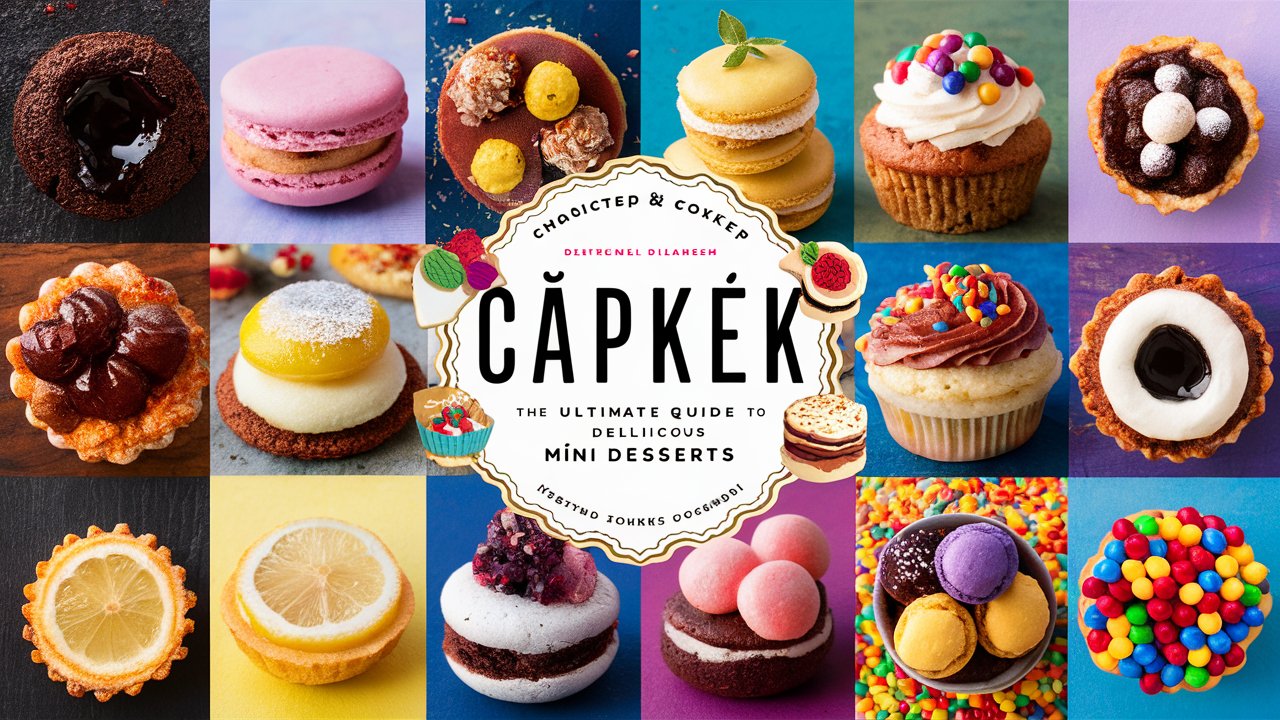
One of the most exciting aspects of capkek is the wide variety of flavors available. Traditional flavors like vanilla, chocolate, and red velvet remain timeless favorites due to their rich taste and universal appeal. However, modern capkek recipes have expanded to include flavors such as salted caramel, matcha, lemon zest, coffee mocha, and even fusion-inspired options like mango chili or chocolate orange. Each flavor offers a unique experience, allowing bakers to experiment and cater to diverse preferences. The flexibility of capkek recipes also makes it easy to adapt ingredients for dietary needs, including gluten-free, vegan, and low-sugar variations.
Capkek Ingredients and Baking Process
Creating the perfect capkek requires a balance of essential ingredients such as flour, sugar, eggs, butter, and baking powder. The quality and proportion of these ingredients play a crucial role in achieving the desired texture and flavor. The baking process typically involves mixing dry and wet ingredients separately before combining them into a smooth batter. The batter is then poured into lined molds and baked at a controlled temperature to ensure even cooking. Attention to detail during mixing and baking is essential, as overmixing or incorrect temperatures can affect the final outcome. Proper cooling is also important before adding frosting or decorations.
Capkek Decoration and Presentation
Decoration is where capkek truly shines as a creative dessert. From simple buttercream swirls to intricate fondant designs, the possibilities are endless. Bakers often use piping techniques, edible glitter, sprinkles, and themed toppers to enhance the visual appeal. Seasonal and event-based decorations are especially popular, such as floral designs for weddings or character-themed capkek for children’s parties. Presentation plays a significant role in elevating capkek from a simple treat to a centerpiece dessert, making it visually enticing and memorable for any occasion.
Health Considerations and Alternatives
While capkek is often associated with indulgence, there are ways to make healthier versions without compromising taste. Using whole wheat flour, natural sweeteners like honey or stevia, and reducing sugar content can create a more balanced dessert. Additionally, plant-based ingredients such as almond milk and coconut oil can be used to make vegan capkek options. Portion control also makes capkek a more manageable treat compared to larger cakes, allowing individuals to enjoy dessert in moderation.
Capkek in Modern Culture
Capkek has become a cultural symbol of celebration and creativity, especially in the digital age. Social media platforms have played a significant role in popularizing unique designs and innovative recipes, inspiring home bakers and professionals alike. Capkek businesses have flourished, offering customized designs tailored to individual preferences. The rise of baking shows and online tutorials has further contributed to the widespread appeal of capkek, making it accessible to people of all skill levels.
Conclusion
Capkek is more than just a small cake; it is a delightful combination of flavor, creativity, and convenience. Its rich history, diverse flavor options, and endless decorative possibilities make it a favorite dessert for all occasions. Whether enjoyed as a simple homemade treat or a professionally crafted masterpiece, capkek continues to capture hearts around the world. By experimenting with ingredients, flavors, and designs, anyone can create their own unique version of this timeless dessert.
Frequently Asked Questions (FAQs)
1. What is capkek?
Capkek is a stylized term often used for cupcakes, referring to small, individual-sized cakes that are typically decorated and served as desserts.
2. What are the most popular capkek flavors?
Classic flavors like chocolate, vanilla, and red velvet are widely loved, while modern options include salted caramel, matcha, and fruit-based varieties.
3. Can capkek be made healthier?
Yes, by using whole grains, reducing sugar, and incorporating natural or plant-based ingredients, healthier versions of capkek can be prepared.
4. How long does it take to bake capkek?
Capkek usually takes about 15–25 minutes to bake, depending on the recipe and oven temperature.
5. Can beginners make capkek at home?
Absolutely. Capkek recipes are generally simple and beginner-friendly, making them a great starting point for new bakers.
6. How should capkek be stored?
Capkek should be stored in an airtight container at room temperature for short-term use or refrigerated if they contain perishable frosting.