
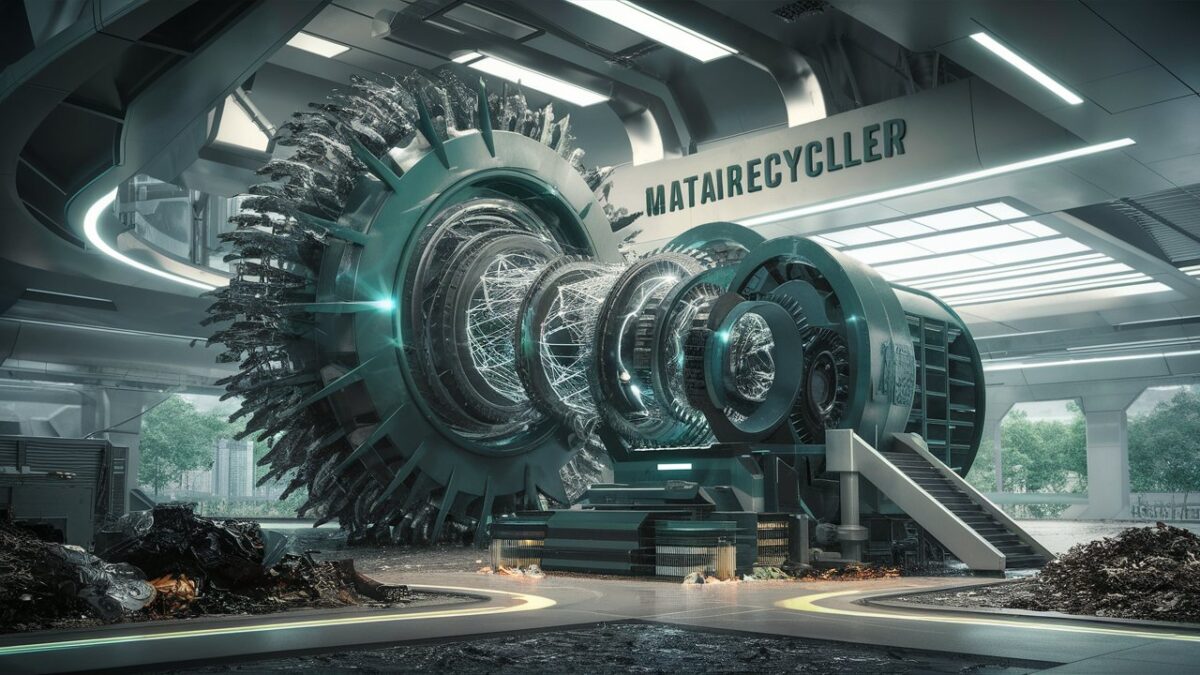

In an era defined by environmental challenges and growing waste production, Matarecycler emerges as a symbol of innovation and sustainability in the field of material recycling and waste management. As global industries and communities strive to reduce their ecological footprint, the need for advanced recycling technology and sustainable recycling solutions has never been greater. Matarecycler represents a new generation of recycling systems that combine technology, efficiency, and environmental responsibility to create a cleaner, circular economy.
The concept of Matarecycler goes beyond traditional recycling—it integrates smart technologies, data-driven processes, and eco-friendly materials to optimize waste collection, sorting, and reuse. By focusing on recycling innovation, Matarecycler aims to transform waste into valuable resources, reduce landfill dependency, and promote environmental sustainability. This article explores the principles, technologies, and benefits behind Matarecycler, highlighting how it is shaping the future of sustainable recycling and waste management worldwide.
Understanding Matarecycler and the Concept of Material Recycling
Matarecycler is a comprehensive approach to material recycling that emphasizes efficiency, innovation, and sustainability. It represents a system where waste materials—such as plastics, metals, glass, paper, and electronic waste—are collected, processed, and transformed into reusable raw materials. The goal of Matarecycler is to close the loop of production and consumption, creating a circular economy where resources are continuously reused rather than discarded.
Traditional recycling methods often face challenges such as contamination, inefficiency, and limited scalability. Matarecycler addresses these issues through advanced recycling technology that automates sorting, enhances material purity, and reduces energy consumption. By integrating artificial intelligence, robotics, and sensor-based sorting systems, Matarecycler ensures that recyclable materials are identified and processed with precision.
The Matarecycler model also emphasizes collaboration between industries, governments, and communities. It encourages shared responsibility for waste reduction and promotes awareness about the importance of sustainable recycling. Through education and innovation, Matarecycler is redefining how societies view waste—not as a problem, but as a valuable resource for future growth.
The Role of Recycling Technology in Matarecycler’s Innovation
At the heart of Matarecycler lies cutting-edge recycling technology that revolutionizes how materials are recovered and reused. Modern recycling systems rely on automation, artificial intelligence, and machine learning to improve sorting accuracy and operational efficiency. These technologies enable Matarecycler to process large volumes of waste while maintaining high-quality output.
1. Smart Sorting Systems:
Matarecycler uses optical sensors, magnetic separators, and AI-driven recognition systems to identify and separate materials based on type, color, and composition. This ensures that plastics, metals, and paper are sorted with minimal contamination, improving the quality of recycled materials.
2. Chemical and Mechanical Recycling:
Matarecycler integrates both mechanical recycling (shredding, melting, and reprocessing materials) and chemical recycling (breaking down polymers into their original components). This dual approach allows for the recycling of complex materials that were previously considered non-recyclable.
3. Energy-Efficient Processing:
Energy consumption is a major concern in recycling operations. Matarecycler employs energy-efficient machinery and renewable energy sources to minimize carbon emissions. This aligns with global goals for environmental sustainability and climate action.
4. Data-Driven Waste Management:
Through digital monitoring and analytics, Matarecycler tracks waste streams, identifies inefficiencies, and optimizes recycling operations. This data-driven approach enhances transparency and accountability in waste management systems.
By combining these technologies, Matarecycler not only improves recycling efficiency but also contributes to the broader mission of building a sustainable, circular economy.
Sustainable Recycling and the Circular Economy
The concept of sustainable recycling is central to Matarecycler’s philosophy. Unlike linear models of production—where materials are produced, used, and discarded—Matarecycler promotes a circular economy that keeps resources in use for as long as possible. This approach reduces waste generation, conserves natural resources, and minimizes environmental impact.
In a circular economy, products are designed for durability, repairability, and recyclability. Matarecycler supports this model by providing the infrastructure and technology needed to recover materials efficiently. For example, recycled plastics can be transformed into new packaging, metals can be reused in manufacturing, and organic waste can be converted into bioenergy or compost.
The environmental benefits of sustainable recycling are profound. It reduces greenhouse gas emissions, conserves water and energy, and prevents pollution caused by landfills and incineration. Moreover, Matarecycler’s commitment to sustainability extends beyond technology—it fosters community engagement, encourages responsible consumption, and supports policies that promote environmental sustainability at every level.
Waste Management and Recycling Solutions by Matarecycler
Effective waste management is the foundation of any successful recycling system. Matarecycler offers integrated recycling solutions that address every stage of the waste lifecycle—from collection and sorting to processing and reuse.
1. Collection and Segregation:
Matarecycler promotes source segregation, encouraging households and businesses to separate recyclable materials from general waste. Smart bins and IoT-enabled collection systems help track waste generation and optimize collection routes.
2. Processing and Recovery:
Once collected, waste is transported to Matarecycler facilities, where it undergoes sorting, cleaning, and processing. Advanced machinery ensures that materials are recovered efficiently and prepared for reuse in manufacturing.
3. Recycling and Reuse:
Recovered materials are transformed into new products or raw materials. For instance, recycled glass can be used in construction, while recycled paper reduces the need for deforestation. Matarecycler’s recycling innovation ensures that these processes are both economically viable and environmentally friendly.
4. Education and Awareness:
Matarecycler also invests in public education campaigns to raise awareness about the importance of recycling and waste reduction. By empowering communities with knowledge, it fosters a culture of sustainability that extends beyond recycling facilities.
Through these comprehensive recycling solutions, Matarecycler contributes to cleaner cities, reduced landfill waste, and a more sustainable planet.
The Environmental and Economic Impact of Matarecycler
The impact of Matarecycler extends far beyond waste reduction. Environmentally, it plays a crucial role in mitigating climate change by reducing carbon emissions and conserving natural resources. Every ton of material recycled through Matarecycler prevents tons of CO₂ from entering the atmosphere and saves significant amounts of energy compared to producing new materials from raw resources.
Economically, Matarecycler creates new opportunities in the green economy. Recycling industries generate employment in collection, processing, and manufacturing sectors. By turning waste into valuable resources, Matarecycler supports local economies and reduces dependence on imported raw materials.
Furthermore, the adoption of recycling technology and sustainable waste management practices enhances corporate social responsibility (CSR) for businesses. Companies that partner with Matarecycler can demonstrate their commitment to sustainability, improving their brand reputation and compliance with environmental regulations.
The Future of Recycling Innovation with Matarecycler
As global waste production continues to rise, the future of recycling innovation depends on scalable, intelligent, and sustainable solutions. Matarecycler is at the forefront of this transformation, continuously developing new technologies to improve recycling efficiency and material recovery.
Emerging trends such as AI-driven recycling, robotic waste sorting, and blockchain-based waste tracking are shaping the next generation of recycling systems. Matarecycler’s research and development initiatives focus on integrating these technologies to create smarter, more transparent recycling networks.
In the coming years, Matarecycler aims to expand its reach globally, collaborating with governments, industries, and environmental organizations to build a unified approach to sustainable recycling. By combining innovation, education, and environmental responsibility, Matarecycler is paving the way for a cleaner, greener, and more sustainable future.
Conclusion
Matarecycler represents the evolution of recycling from a simple waste management practice to a cornerstone of environmental sustainability. Through advanced recycling technology, innovative waste management solutions, and a commitment to the circular economy, Matarecycler is redefining how societies handle waste and resources.
By transforming discarded materials into valuable assets, Matarecycler not only reduces environmental impact but also drives economic growth and social awareness. Its holistic approach to material recycling and sustainable recycling ensures that future generations inherit a cleaner, healthier planet. In a world where sustainability is no longer optional, Matarecycler stands as a beacon of progress, innovation, and hope for a truly circular and sustainable future.
Frequently Asked Questions (FAQ)
1. What is Matarecycler?
Matarecycler is an advanced system for material recycling and waste management that uses innovative technology to promote sustainable recycling and environmental sustainability.
2. How does Matarecycler work?
Matarecycler integrates smart sorting, chemical and mechanical recycling, and data-driven waste management to recover and reuse materials efficiently.
3. What materials can Matarecycler recycle?
Matarecycler processes plastics, metals, glass, paper, and electronic waste, turning them into reusable raw materials.
4. Why is Matarecycler important for sustainability?
It reduces landfill waste, conserves natural resources, and lowers carbon emissions, contributing to global environmental sustainability.
5. What technologies does Matarecycler use?
Matarecycler employs AI-driven sorting, chemical recycling, renewable energy systems, and data analytics for efficient waste processing.
6. How does Matarecycler support the circular economy?
By turning waste into reusable materials, Matarecycler keeps resources in circulation, reducing the need for new raw materials.
7. Can businesses partner with Matarecycler?
Yes, Matarecycler collaborates with industries and governments to implement recycling solutions and promote sustainable practices.
8. What are the economic benefits of Matarecycler?
It creates jobs, supports local economies, and helps businesses meet sustainability goals through efficient waste management.
9. How does Matarecycler differ from traditional recycling?
Unlike traditional methods, Matarecycler uses advanced recycling technology and automation to improve efficiency and material purity.
10. What is the future of Matarecycler?
Matarecycler aims to expand globally, integrating AI, robotics, and blockchain to revolutionize recycling innovation and sustainability.