
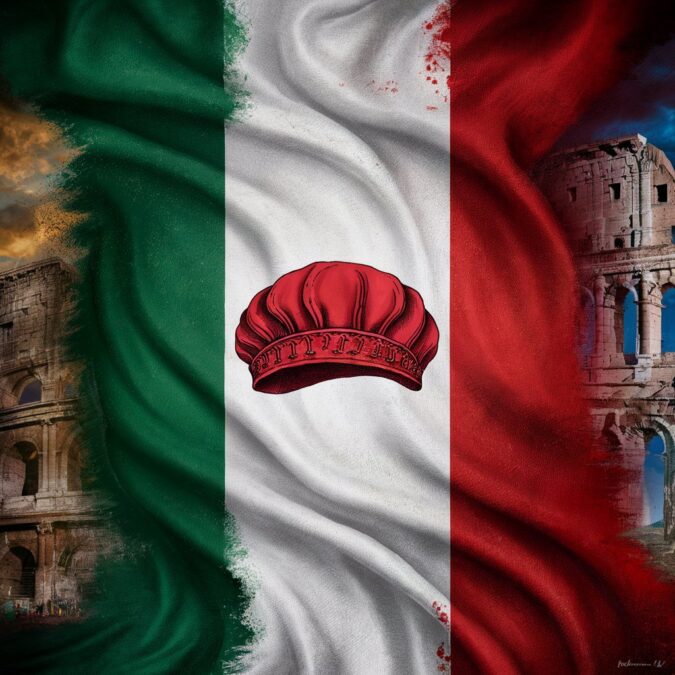

The flags from Italy represent more than just a national emblem—they are a reflection of the country’s rich history, cultural identity, and enduring spirit. The most recognized among them, the Italian Tricolor, is a symbol of unity, freedom, and pride that has evolved through centuries of political change and social transformation. From the early banners of medieval city-states to the modern flag that flies proudly today, Italy’s flags tell a story of resilience, revolution, and national rebirth.
Understanding the origins and symbolism of the Italian flag provides insight into the nation’s journey from fragmented kingdoms to a unified republic. The green, white, and red stripes are not merely colors; they embody ideals of hope, faith, and charity, as well as the struggles and triumphs that have shaped Italy’s identity. This article explores the fascinating history, design, and meaning of flags from Italy, tracing their evolution and significance in both historical and modern contexts.
The Origins of the Italian Flag
The story of the Italian flag begins in the late 18th century, during a period of revolutionary fervor across Europe. Inspired by the ideals of liberty and equality that emerged from the French Revolution, Italian patriots sought symbols that represented their aspirations for independence and unity. The first version of the Italian Tricolor appeared in 1797, when the Cispadane Republic—an early Italian republic established under Napoleon’s influence—adopted a flag featuring three vertical stripes of green, white, and red.
The choice of colors was deeply symbolic. Green represented hope and the lush landscapes of Italy, white symbolized faith and the snow-capped Alps, and red stood for charity and the blood shed for freedom. Over time, these colors became synonymous with the Italian national identity. The design was influenced by the French Tricolor, reflecting the revolutionary spirit that swept through Europe at the time.
As Italy underwent political changes throughout the 19th century, the flag evolved but retained its core elements. When the Kingdom of Italy was proclaimed in 1861, the tricolor became the official national flag, featuring the royal coat of arms of the House of Savoy at its center. After the monarchy was abolished in 1946 and Italy became a republic, the coat of arms was removed, leaving the simple yet powerful design that endures today.
The Design and Symbolism of the Italian Tricolor
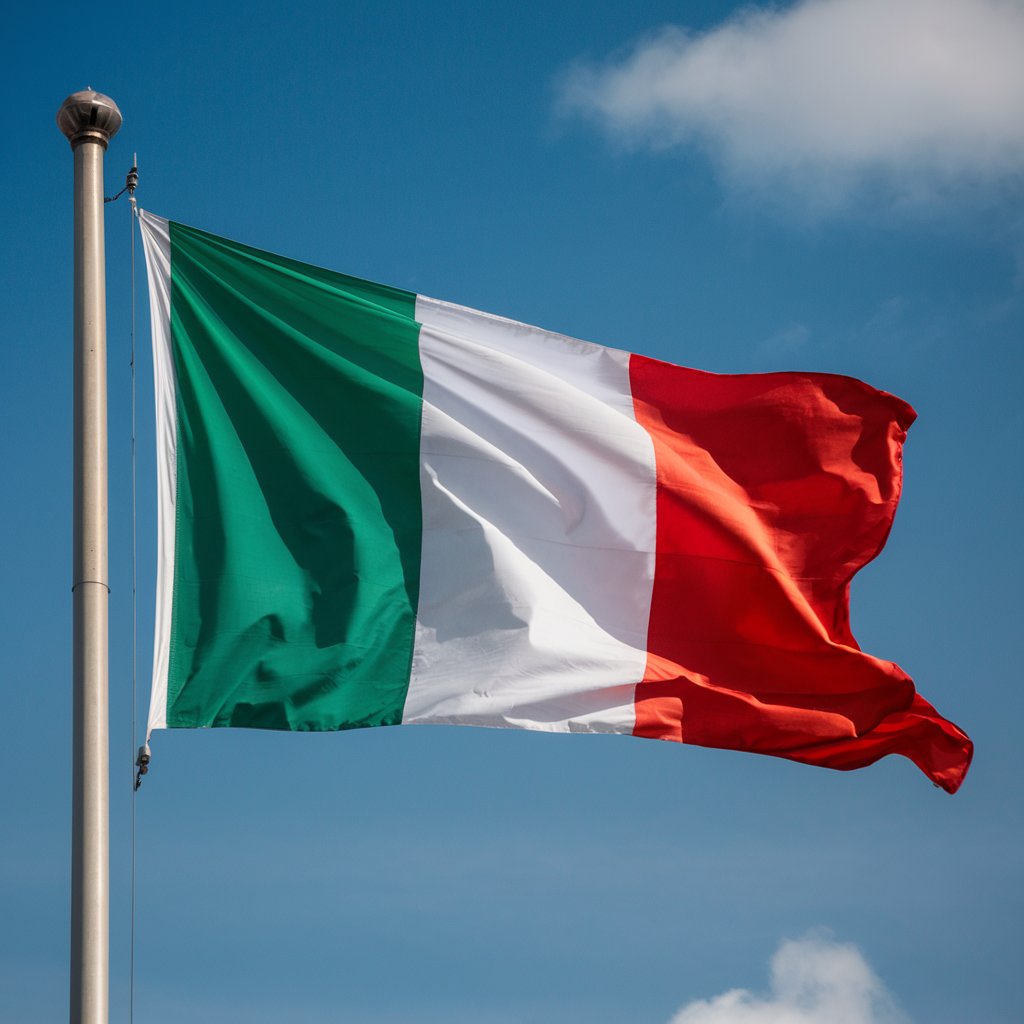
The modern flag of Italy consists of three equal vertical bands of green, white, and red, arranged from left to right. The simplicity of the design belies its profound meaning. Each color carries historical and emotional significance that resonates deeply with the Italian people.
The green stripe is often associated with the country’s fertile plains and rolling hills, symbolizing hope and renewal. The white stripe represents purity, faith, and the snow-covered peaks of the Alps that form Italy’s northern border. The red stripe stands for courage, sacrifice, and the blood of those who fought for Italy’s independence and unification.
Beyond these interpretations, the tricolor also reflects the values of the Italian Republic—liberty, equality, and fraternity. It serves as a reminder of the nation’s struggle for unity during the Risorgimento, the 19th-century movement that led to the unification of Italy. The flag’s design is a perfect blend of simplicity and symbolism, embodying both the natural beauty of the land and the enduring spirit of its people.
Historical Flags from Italy
Before the adoption of the tricolor, Italy was a patchwork of independent states, each with its own flag and emblem. The Republic of Venice, for example, used the iconic flag featuring the winged lion of Saint Mark, symbolizing power and maritime dominance. The Kingdom of Sicily and the Kingdom of Naples had their own distinct banners, often incorporating royal crests and religious symbols.
During the Middle Ages and Renaissance, city-states such as Florence, Milan, and Genoa displayed flags that reflected their political and cultural identities. Florence’s flag featured a red lily on a white background, while Genoa’s flag bore a red cross on white, a design later adopted by England’s Saint George’s Cross. These flags represented not only territorial boundaries but also the pride and independence of their respective regions.
As the idea of a unified Italy gained momentum in the 19th century, the tricolor emerged as a unifying symbol that transcended regional divisions. It became a rallying point for revolutionaries, soldiers, and citizens who dreamed of a single, free nation. The evolution from regional banners to the national tricolor mirrors Italy’s transformation from a collection of states into a cohesive republic.
The Italian Flag in Modern Times
Today, the Italian flag is a powerful emblem of national pride and international recognition. It is displayed prominently on government buildings, schools, and public spaces, and it plays a central role in national celebrations such as Festa della Repubblica (Republic Day) on June 2nd. During this annual event, the Italian Air Force’s aerobatic team, the Frecce Tricolori, performs breathtaking aerial displays, painting the sky with trails of green, white, and red smoke—a vivid tribute to the flag and the nation it represents.
The flag also holds a special place in sports and international events. Whether it’s the Olympic Games, the FIFA World Cup, or Formula 1 racing, the sight of the Italian tricolor evokes unity and pride among Italians worldwide. It serves as a reminder of the country’s achievements, creativity, and enduring influence on global culture.
In addition to its national significance, the flag has become a symbol of Italian craftsmanship, design, and excellence. From fashion and architecture to cuisine and art, the colors of the tricolor often appear as a subtle nod to Italy’s heritage and identity.
Cultural and Emotional Significance
The flags from Italy are more than historical artifacts—they are living symbols that continue to inspire emotion and patriotism. For Italians, the flag represents not only their homeland but also the values of democracy, resilience, and unity. It is a source of pride for those living abroad, connecting them to their roots and cultural heritage.
The tricolor has also been a symbol of resistance and hope during difficult times. During World War II, it became a banner of liberation for partisans fighting against fascism. In the post-war era, it came to symbolize reconstruction, progress, and the rebirth of a democratic Italy. Even today, the flag serves as a reminder of the nation’s ability to overcome adversity and emerge stronger.
Conclusion
The flags from Italy, particularly the iconic tricolor, embody centuries of history, struggle, and triumph. From its revolutionary origins to its modern-day symbolism, the Italian flag stands as a testament to the nation’s enduring spirit and unity. Its colors—green, white, and red—tell a story of hope, faith, and sacrifice, reflecting the essence of Italy’s identity.
Whether fluttering above historic landmarks, carried proudly at international events, or displayed in homes across the world, the Italian flag remains a powerful emblem of national pride. It unites Italians under a shared heritage and continues to inspire admiration for a country whose influence on art, culture, and history is truly timeless.
Frequently Asked Questions (FAQ)
What do the colors of the Italian flag represent?
The green symbolizes hope and the land’s fertility, white represents faith and the snow-capped Alps, and red stands for courage and the blood of those who fought for Italy’s freedom.
When was the Italian flag first adopted?
The first version of the Italian tricolor was adopted in 1797 by the Cispadane Republic, and it became the official national flag of Italy in 1946 after the establishment of the republic.
Why is the Italian flag called the Tricolor?
It is called the Tricolor because it consists of three vertical stripes of green, white, and red, representing unity and national identity.
How is the Italian flag used in national celebrations?
The flag is prominently displayed during Republic Day on June 2nd, with parades, ceremonies, and aerial displays by the Frecce Tricolori showcasing the national colors.
What is the difference between the Italian flag and the Mexican flag?
While both flags share similar colors, the Mexican flag includes an eagle and serpent emblem in the center, whereas the Italian flag features only the three vertical stripes without any symbols.