

Table of Contents
TogglePeroneal tendonitis is a painful condition that affects the tendons running along the outer side of the ankle and foot. These tendons play a major role in stabilizing the ankle, supporting movement, and helping people walk, run, jump, and maintain balance. When these tendons become irritated or inflamed because of overuse, injury, or repetitive stress, the condition is known as peroneal tendonitis. It commonly affects athletes, runners, hikers, dancers, and people who spend long hours standing or walking. However, anyone can develop this condition if the tendons are repeatedly strained over time.
The pain associated with peroneal tendonitis can begin gradually and worsen if left untreated. Some people notice mild discomfort near the outside of the ankle after physical activity, while others experience swelling, weakness, instability, or sharp pain during movement. Early diagnosis and proper treatment are important because untreated tendon inflammation can eventually lead to tendon tears or chronic ankle instability. Understanding the causes, symptoms, diagnosis, treatment methods, and prevention strategies can help individuals manage the condition effectively and return to normal activities safely.
What Is Peroneal Tendonitis?
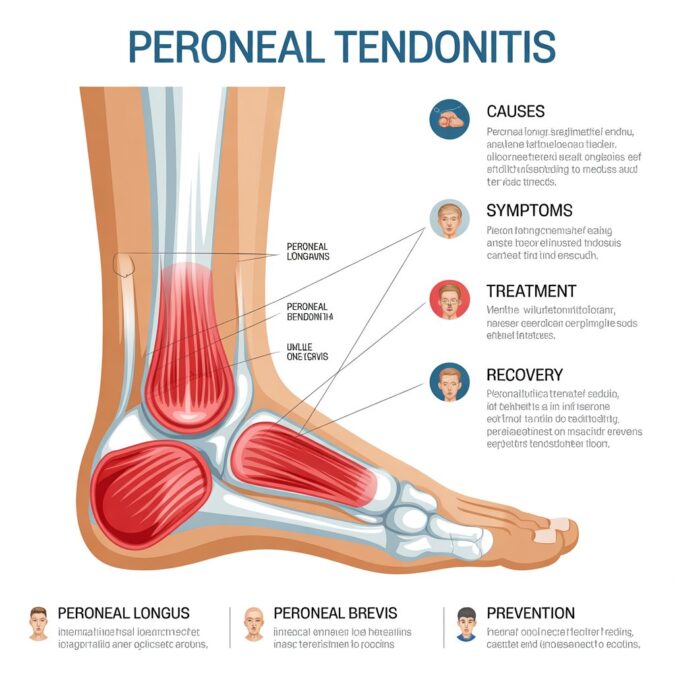
Peroneal tendonitis refers to inflammation or irritation of the peroneal tendons, which are located on the outer side of the ankle. These tendons connect the peroneal muscles in the lower leg to the bones of the foot. Their primary function is to stabilize the foot and ankle while walking or running and to prevent excessive ankle rolling.
There are two main peroneal tendons: the peroneus longus tendon and the peroneus brevis tendon. Both tendons work together to support foot movement and balance. When these tendons are exposed to repetitive stress or excessive strain, tiny tears can develop in the tendon fibers, causing inflammation and pain. Over time, this can reduce mobility and make daily activities uncomfortable.
Peroneal tendonitis often develops gradually rather than suddenly. Many individuals continue normal activities despite mild symptoms, which can worsen the condition. Athletes who participate in sports involving quick directional changes, such as basketball, soccer, or tennis, are especially vulnerable because of the repeated ankle motion involved.
Causes of Peroneal Tendonitis
Several factors can contribute to the development of peroneal tendonitis. One of the most common causes is overuse. Repetitive ankle movements place continuous stress on the tendons, leading to irritation and inflammation over time. Runners who suddenly increase their mileage or intensity may develop tendon inflammation because the tendons are unable to adapt quickly to the added workload.
Ankle injuries are another major cause. A sprained ankle can weaken the surrounding structures and increase stress on the peroneal tendons during recovery. If the ankle remains unstable after an injury, the tendons may work harder to maintain balance and support, leading to chronic irritation.
Improper footwear can also contribute significantly. Shoes lacking proper support may place abnormal pressure on the foot and ankle, especially during physical activities. Flat feet or high arches can alter walking mechanics, increasing strain on the tendons. Uneven training surfaces, poor exercise techniques, and inadequate warm-ups are additional risk factors that may increase the likelihood of developing the condition.
Age and muscle weakness may also play a role. As tendons age, they become less flexible and more susceptible to injury. Weak calf or ankle muscles can force the tendons to compensate, leading to excessive strain during movement.
Common Symptoms of Peroneal Tendonitis
The symptoms of peroneal tendonitis can vary from mild discomfort to severe pain that interferes with normal movement. The most common symptom is pain along the outer side of the ankle or foot. This pain may worsen during activity and improve with rest in the early stages. However, as the condition progresses, discomfort may persist even while resting.
Swelling and tenderness are also common signs. The affected area may feel warm or appear swollen due to inflammation. Some individuals notice pain when pressing on the outer ankle or moving the foot in certain directions. Weakness and instability can develop as the tendons struggle to support the ankle properly.
Many people experience difficulty walking, running, climbing stairs, or standing for long periods. In some cases, a snapping sensation may occur around the ankle if the tendon shifts out of its normal position. Ignoring these symptoms can increase the risk of tendon degeneration or tearing, making early treatment extremely important.
How Peroneal Tendonitis Is Diagnosed
Doctors diagnose peroneal tendonitis through a combination of physical examination, medical history review, and imaging tests. During the physical exam, the doctor checks for swelling, tenderness, instability, and pain during foot movement. Patients are often asked about recent injuries, exercise habits, and daily activities that may have contributed to the condition.
Imaging tests may be used to confirm the diagnosis and rule out other problems. X-rays help identify fractures or bone abnormalities, although they do not show tendon injuries clearly. Magnetic resonance imaging (MRI) provides detailed images of soft tissues and can reveal inflammation, tendon tears, or structural damage. Ultrasound imaging may also be used to observe tendon movement in real time.
An accurate diagnosis is essential because conditions such as ankle sprains, arthritis, stress fractures, or nerve problems can produce similar symptoms. Proper evaluation allows healthcare providers to create the most effective treatment plan.
Best Treatment Options for Peroneal Tendonitis
Treatment for peroneal tendonitis usually focuses on reducing inflammation, relieving pain, and allowing the tendons to heal properly. Rest is one of the most important steps in recovery. Avoiding activities that worsen symptoms helps prevent further tendon damage and gives the tissues time to repair.
Ice therapy is commonly recommended to reduce swelling and discomfort. Applying ice packs to the affected area for 15 to 20 minutes several times daily can help control inflammation. Compression wraps and elevation may also reduce swelling and improve comfort.
Nonsteroidal anti-inflammatory drugs (NSAIDs) are sometimes used to relieve pain and inflammation. Physical therapy plays a major role in recovery because targeted exercises strengthen the ankle muscles, improve flexibility, and restore balance. Stretching and strengthening programs help reduce strain on the tendons and prevent future injuries.
Supportive footwear and orthotic inserts may improve foot alignment and reduce stress on the tendons. In more severe cases, doctors may recommend immobilization using a walking boot or brace. Surgery is rarely required but may be necessary if significant tendon tearing or chronic instability develops.
Exercises for Peroneal Tendonitis Recovery
Exercise and rehabilitation are important parts of recovery from peroneal tendonitis. Gentle stretching exercises can improve flexibility and reduce stiffness in the ankle and calf muscles. Calf stretches, ankle circles, and resistance band exercises are commonly used during rehabilitation programs.
Strengthening exercises help the muscles surrounding the ankle provide better support and stability. Balance exercises such as standing on one leg can improve coordination and reduce the risk of future injuries. It is important to perform these exercises gradually and avoid pushing through severe pain.
Physical therapists often create personalized exercise programs based on the severity of the condition and the patient’s activity level. Consistency and proper technique are essential for safe recovery and long-term prevention.
How Long Does Peroneal Tendonitis Take to Heal?
Recovery time for peroneal tendonitis varies depending on the severity of the injury, treatment approach, and overall health of the individual. Mild cases may improve within a few weeks if treated early with rest and proper care. Moderate cases often require several weeks to months of physical therapy and activity modification.
Chronic or severe tendon injuries may take several months to heal completely, especially if the condition has been ignored for a long time. Returning to sports or intense physical activity too quickly can delay healing and increase the risk of re-injury. Following medical advice carefully and allowing adequate recovery time are essential for successful healing.
Preventing Peroneal Tendonitis
Preventing peroneal tendonitis involves reducing excessive stress on the ankle and maintaining strong, flexible muscles. Wearing supportive footwear designed for specific activities can help improve foot alignment and reduce strain. Replacing worn-out athletic shoes regularly is also important.
Gradually increasing exercise intensity allows the tendons to adapt safely to physical demands. Proper warm-up and stretching routines before exercise improve flexibility and prepare the muscles for activity. Strengthening the ankle and lower leg muscles can improve stability and reduce injury risk.
Individuals with foot structure problems such as flat feet or high arches may benefit from orthotic inserts or professional footwear recommendations. Paying attention to early warning signs like mild pain or stiffness can help prevent minor irritation from becoming a serious injury.
When to See a Doctor
Medical attention should be sought if ankle pain persists despite rest or worsens over time. Severe swelling, instability, difficulty walking, or sudden sharp pain may indicate a tendon tear or another serious condition. Early diagnosis and treatment can prevent complications and promote faster recovery.
People with recurring ankle injuries or chronic instability should also consult a healthcare professional for evaluation. Ignoring persistent symptoms can lead to long-term tendon damage and reduced mobility.
Conclusion
Peroneal tendonitis is a common but often overlooked condition that affects the tendons on the outer side of the ankle. It can cause pain, swelling, weakness, and difficulty performing daily activities or sports. The condition is usually caused by overuse, repetitive stress, ankle injuries, or improper foot mechanics. Fortunately, most cases respond well to conservative treatment methods such as rest, ice therapy, physical therapy, and supportive footwear.
Early diagnosis and proper rehabilitation are key to preventing chronic pain and tendon damage. By understanding the causes, symptoms, and prevention strategies associated with peroneal tendonitis, individuals can take proactive steps to protect their ankle health and maintain an active lifestyle. Consistent care, gradual activity progression, and proper footwear can significantly reduce the risk of future tendon problems and support long-term recovery.
Frequently Asked Questions About Peroneal Tendonitis
What does peroneal tendonitis feel like?
Peroneal tendonitis usually causes aching or sharp pain along the outer side of the ankle and foot. The pain often worsens during walking, running, or physical activity and may improve with rest.
Can peroneal tendonitis heal on its own?
Mild cases may improve with rest and reduced activity, but untreated tendonitis can worsen over time. Proper treatment and rehabilitation are important for complete healing.
Is walking bad for peroneal tendonitis?
Excessive walking or high-impact activities can aggravate symptoms, especially during the early stages of recovery. Gentle walking may be acceptable if approved by a healthcare professional.
How do you treat peroneal tendonitis fast?
Early treatment typically includes rest, ice application, anti-inflammatory medications, supportive footwear, and physical therapy exercises to reduce inflammation and strengthen the ankle.
Can running cause peroneal tendonitis?
Yes, running is one of the most common causes, particularly when training intensity increases suddenly or when improper footwear is used.
Do ankle braces help peroneal tendonitis?
Yes, ankle braces or supportive wraps can stabilize the ankle, reduce tendon strain, and provide support during recovery.
When is surgery needed for peroneal tendonitis?
Surgery is usually considered only when conservative treatments fail or when there is a severe tendon tear or chronic ankle instability.
Can stretching help peroneal tendonitis?
Gentle stretching exercises can improve flexibility and reduce tension around the ankle, but exercises should be performed carefully to avoid worsening the condition.