
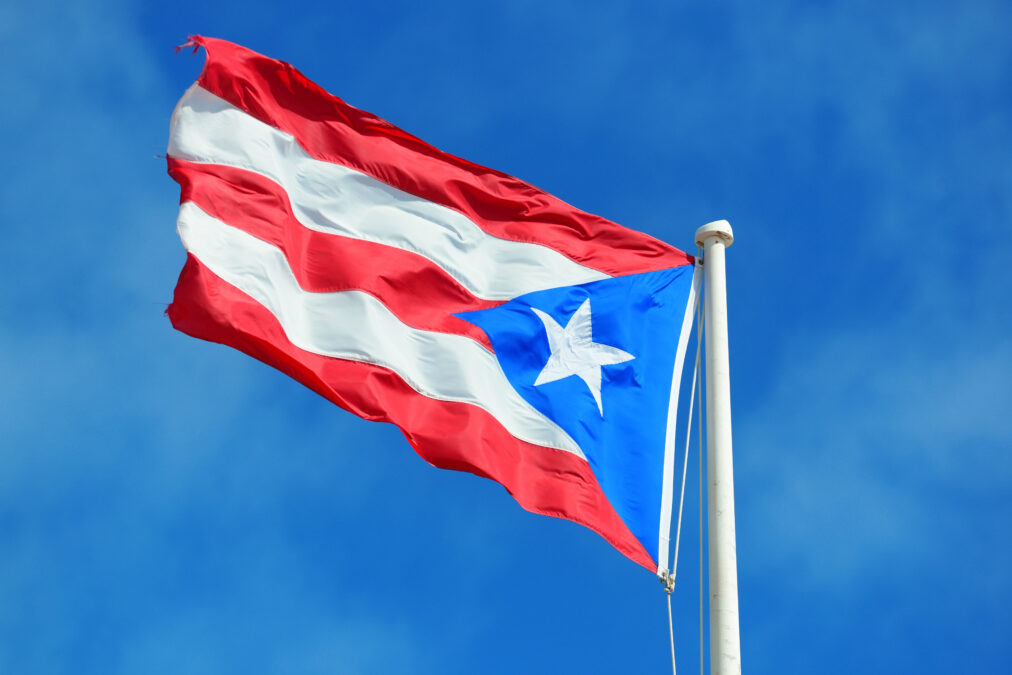

The Puerto Rico flag is one of the most recognizable and meaningful national symbols of Puerto Rico. Featuring bold red and white stripes, a blue triangle, and a white star, the flag represents the island’s rich history, cultural identity, and enduring spirit. For Puerto Ricans living on the island and throughout the world, the flag serves as a powerful reminder of heritage, pride, and unity. It has become much more than a simple banner; it symbolizes resilience, freedom, and the unique character of Puerto Rican society.
Understanding the Puerto Rico flag requires exploring its origins, symbolism, historical significance, and role in modern culture. From its revolutionary beginnings to its presence at celebrations, sporting events, and cultural gatherings, the flag continues to inspire generations. This article examines every aspect of the Puerto Rico flag, providing a comprehensive look at one of the Caribbean’s most cherished symbols.
History of the Puerto Rico Flag
The history of the Puerto Rico flag dates back to the late nineteenth century when Puerto Rican nationalists sought a symbol that would represent their aspirations for self-determination and national identity. The design emerged during a period of political activism when many Puerto Ricans were advocating for greater autonomy from Spanish colonial rule.
The flag was first adopted by Puerto Rican revolutionaries who were influenced by the Cuban independence movement. In fact, the Puerto Rico flag closely resembles the Cuban flag, although the colors are reversed. This similarity reflected solidarity between the two Caribbean islands in their shared struggles for freedom and self-governance. The flag was publicly displayed during the Yauco Revolt of 1897, an important event in Puerto Rican nationalist history.
After Puerto Rico became a territory of the United States in 1898, displaying the Puerto Rico flag was restricted for several decades. Despite these limitations, the flag remained an important symbol of cultural pride and political identity. In 1952, when Puerto Rico established the Commonwealth of Puerto Rico, the flag was officially recognized as the island’s national symbol.
Puerto Rico Flag Design and Appearance
The Puerto Rico flag features five horizontal stripes alternating between red and white. Three of the stripes are red, while two are white. On the left side of the flag is a blue equilateral triangle containing a single white five-pointed star.
The flag’s design is simple yet visually striking. The vibrant colors create a strong contrast that makes the flag easily recognizable around the world. The arrangement of stripes, triangle, and star creates a balanced composition that effectively conveys both aesthetic beauty and symbolic meaning.
Today, the Puerto Rico flag is displayed on government buildings, schools, businesses, homes, and public spaces throughout the island. It is also prominently featured during festivals, parades, sporting events, and cultural celebrations.
Meaning of the Puerto Rico Flag Colors
The colors of the Puerto Rico flag carry deep symbolic significance. Each element was carefully chosen to represent important ideals and values associated with Puerto Rican identity.
The red stripes symbolize the blood and vitality of the people. They represent courage, sacrifice, and the strength of Puerto Rican citizens throughout history. The red color also reflects the energy and determination that have characterized the island’s people during times of challenge and change.
The white stripes stand for liberty, individual rights, and the balance of government powers. White is often associated with peace and justice, making it an important component of the flag’s overall symbolism.
The blue triangle represents the sky, the surrounding waters, and the principles of republican government. Depending on historical interpretations, the shade of blue has varied over time, but its symbolic importance has remained consistent.
Symbolism of the White Star on the Puerto Rico Flag
One of the most prominent features of the Puerto Rico flag is the white five-pointed star located within the blue triangle. The star symbolizes Puerto Rico itself, representing the island and its people as a unified entity.
The star also reflects aspirations for self-government and national identity. Throughout Puerto Rican history, it has served as a symbol of hope, resilience, and collective purpose. The simplicity of the single star allows it to stand out as the focal point of the flag’s design, emphasizing the importance of unity among Puerto Ricans.
For many citizens, the white star serves as a reminder of their shared cultural heritage and common future. Whether displayed during celebrations or moments of reflection, the star continues to inspire pride and solidarity.
The Blue Triangle on the Puerto Rico Flag
The blue triangle is another essential component of the Puerto Rico flag. Traditionally, the triangle symbolizes the three branches of republican government: the executive, legislative, and judicial branches. This interpretation reflects democratic principles and the importance of balanced governance.
The triangle’s geometric shape conveys stability and strength. Positioned prominently on the left side of the flag, it anchors the overall design and provides a visual framework for the white star. Together, the triangle and star create a meaningful representation of Puerto Rico’s political and cultural aspirations.
The blue color further enhances the symbolism by connecting the island to the surrounding Caribbean Sea and the expansive sky above. These natural elements play a significant role in Puerto Rico’s identity and history.
Cultural Importance of the Puerto Rico Flag
The Puerto Rico flag holds immense cultural importance for people both on the island and throughout the Puerto Rican diaspora. It serves as a symbol of belonging and connection, especially for those living far from their homeland.
At festivals, music events, sporting competitions, and community gatherings, the flag is often displayed with pride. It has become a unifying emblem that transcends political differences and brings people together through shared heritage. The flag is also frequently incorporated into artwork, fashion, murals, and creative expressions that celebrate Puerto Rican culture.
For many individuals, displaying the Puerto Rico flag is a way to honor family traditions, preserve cultural identity, and express pride in their roots. Its significance extends beyond politics, representing the rich history, language, traditions, and achievements of Puerto Rican people worldwide.
Puerto Rico Flag in Modern Society
In modern society, the Puerto Rico flag continues to play a central role in public life. It appears in schools, government institutions, businesses, sports arenas, and cultural festivals. Athletes often carry the flag during international competitions, while musicians and artists use it as a symbol of cultural expression.
Social media has also increased the visibility of the Puerto Rico flag. People frequently share images of the flag during holidays, commemorative events, and moments of national significance. The flag has become a powerful visual representation of Puerto Rican identity in the digital age.
Its enduring popularity demonstrates how symbols can unite communities and preserve cultural heritage across generations. Even as Puerto Rico continues to evolve, the flag remains a constant source of pride and inspiration.
Differences Between the Puerto Rico Flag and the Cuban Flag
Many people notice the resemblance between the Puerto Rico flag and the Cuban flag. While the two flags share a similar design structure, their colors are reversed. The Cuban flag features blue stripes and a red triangle, whereas the Puerto Rico flag uses red stripes and a blue triangle.
This similarity reflects the historical relationship between Puerto Rican and Cuban independence movements during the nineteenth century. Activists from both islands supported each other’s efforts to achieve greater political freedom and self-determination.
Despite their visual similarities, each flag represents a distinct national identity and unique historical experience. Understanding these differences helps highlight the individual stories and traditions of both Caribbean nations.
Puerto Rico Flag Etiquette and Respect
Like other national symbols, the Puerto Rico flag is treated with respect and dignity. Proper flag etiquette includes displaying it in a clean and visible location, ensuring it is not damaged or improperly handled.
Many schools and organizations educate citizens about the importance of respecting the flag. These traditions help preserve its significance and reinforce its role as a symbol of collective identity. Whether displayed during official ceremonies or personal celebrations, the flag represents values that are deeply meaningful to Puerto Rican communities.
Conclusion
The Puerto Rico flag is much more than a colorful design. It embodies the island’s history, culture, aspirations, and resilience. Every element of the flag—from its red and white stripes to its blue triangle and white star—carries powerful symbolism that reflects the values and experiences of Puerto Rican people. Over the years, the flag has become a unifying emblem that inspires pride, celebrates heritage, and connects generations across the globe.
As Puerto Rico continues to shape its future, the flag remains a lasting reminder of the island’s unique identity and enduring spirit. Whether seen flying proudly above buildings or carried during celebrations, it continues to represent the heart and soul of Puerto Rico.
Frequently Asked Questions (FAQs)
What does the Puerto Rico flag represent?
The Puerto Rico flag represents the island’s history, culture, identity, and aspirations for self-government. It serves as a symbol of pride and unity for Puerto Ricans worldwide.
What do the colors of the Puerto Rico flag mean?
The red stripes symbolize strength and sacrifice, the white stripes represent liberty and peace, and the blue triangle reflects republican principles and the surrounding sky and sea.
What does the white star on the Puerto Rico flag symbolize?
The white star represents Puerto Rico and its people. It serves as a symbol of unity, hope, and national identity.
When was the Puerto Rico flag officially adopted?
The Puerto Rico flag was officially adopted in 1952 when Puerto Rico became a Commonwealth of the United States.
Why does the Puerto Rico flag look similar to the Cuban flag?
The flags share a similar design because Puerto Rican and Cuban independence movements were closely connected historically. The main difference is that their colors are reversed.
Why is the Puerto Rico flag important?
The flag is important because it reflects Puerto Rican heritage, cultural pride, and collective identity. It unites people on the island and throughout the global Puerto Rican community.
Can the Puerto Rico flag be displayed with the United States flag?
Yes. The Puerto Rico flag is often displayed alongside the United States flag at government buildings, schools, and public events throughout Puerto Rico.