
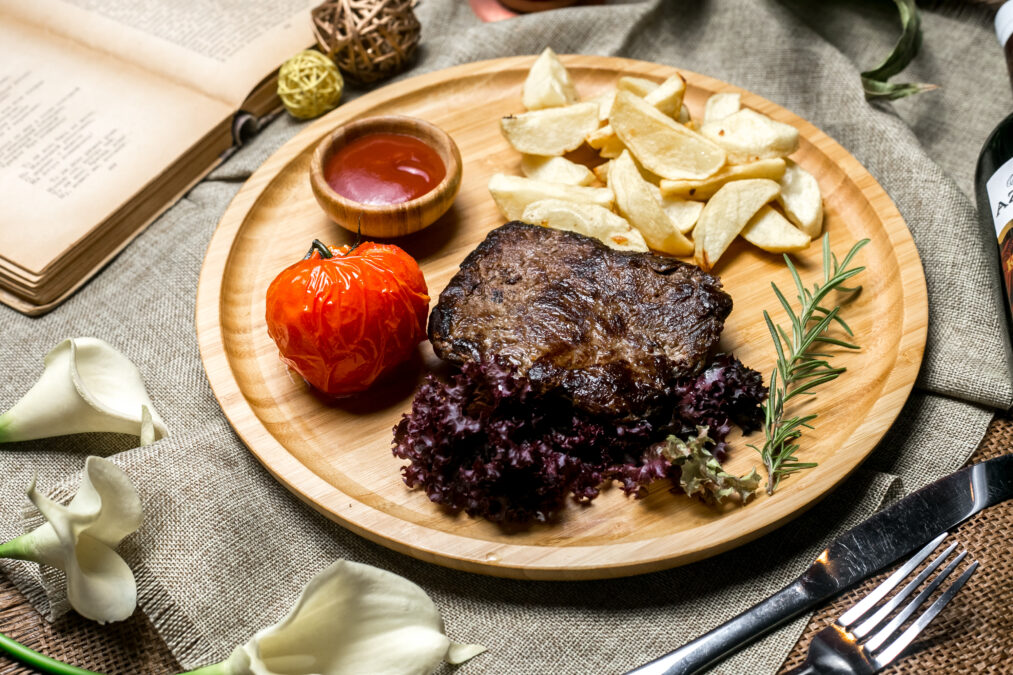

Chateaubriand is one of the most elegant and celebrated dishes in French cuisine. Known for its exceptional tenderness, rich flavor, and luxurious presentation, Chateaubriand has become synonymous with fine dining and special occasions. The dish is traditionally prepared from the thick center-cut portion of beef tenderloin, making it one of the most prized cuts of meat available. Whether served in upscale restaurants or prepared at home by culinary enthusiasts, Chateaubriand continues to represent sophistication, craftsmanship, and culinary excellence.
The popularity of Chateaubriand extends beyond France, with steak lovers around the world appreciating its buttery texture and refined taste. Understanding the origins, preparation methods, and serving traditions associated with Chateaubriand can help anyone appreciate why this classic dish remains a favorite among food connoisseurs. In this comprehensive guide, we will explore everything you need to know about Chateaubriand, from its fascinating history to cooking techniques and serving suggestions.
What Is Chateaubriand?
Chateaubriand is a premium beef dish traditionally made from the center-cut section of a beef tenderloin. This cut is renowned for being incredibly tender because it comes from a muscle that experiences very little physical activity during the animal’s life. As a result, the meat develops a delicate texture that practically melts in the mouth.
Unlike standard steak cuts, Chateaubriand is usually thick and large enough to serve two or more people. It is often roasted or seared and then finished in the oven to achieve the desired level of doneness. The dish is commonly accompanied by rich sauces, roasted vegetables, and potatoes, creating a complete dining experience that highlights the quality of the meat.
History of Chateaubriand
The origins of Chateaubriand date back to early nineteenth-century France. The dish is believed to have been created for the French writer and diplomat François-René de Chateaubriand. His personal chef reportedly developed the preparation method that would later bear his employer’s name. While various stories surround the exact origins of the dish, its association with French aristocracy and fine dining remains undisputed.
Over time, Chateaubriand evolved from a dish reserved for nobility into a symbol of culinary refinement enjoyed worldwide. French chefs perfected the preparation and presentation of the dish, establishing standards that continue to influence modern cooking. Today, Chateaubriand remains a staple of classic French cuisine and a showcase of premium beef preparation.
Chateaubriand Cut of Beef Explained
The Chateaubriand cut comes from the thickest center portion of the beef tenderloin. This section offers a perfect balance of tenderness, uniform thickness, and elegant presentation. Because only a limited portion of the tenderloin qualifies as true Chateaubriand, it is considered a premium and often expensive cut.
The tenderness of the cut makes it ideal for cooking methods that preserve its natural qualities. Unlike tougher cuts that require long braising or slow cooking, Chateaubriand benefits from careful roasting or grilling. Proper cooking allows the meat’s natural flavor and texture to shine without excessive seasoning or manipulation.
How to Cook Chateaubriand Perfectly
Cooking Chateaubriand requires attention to detail, but the process itself is relatively straightforward. The goal is to achieve a beautifully browned exterior while maintaining a juicy and tender interior. Many chefs begin by seasoning the meat generously with salt and pepper before searing it in a hot pan to develop a flavorful crust.
After searing, the beef is typically transferred to an oven where it cooks gently until reaching the desired internal temperature. Resting the meat after cooking is essential because it allows the juices to redistribute throughout the cut. This step helps ensure maximum tenderness and flavor when the Chateaubriand is sliced and served.
Best Seasonings for Chateaubriand
One of the remarkable characteristics of Chateaubriand is that it requires very little seasoning. The quality of the beef itself is the star of the dish. Simple seasonings such as coarse salt, freshly ground black pepper, garlic, and fresh herbs like thyme and rosemary are often sufficient.
Some chefs enhance the flavor with butter during the cooking process. Basting the meat with melted butter infused with herbs creates a rich aroma and adds depth without overpowering the natural taste of the beef. The key is to complement rather than mask the tenderloin’s exceptional flavor.
Traditional Chateaubriand Sauce
A classic Chateaubriand is often served with a luxurious sauce that enhances its richness. Traditional preparations may feature a wine-based sauce, béarnaise sauce, or a demi-glace reduction. These sauces add complexity and balance to the dish while preserving the beef’s elegant character.
The original Chateaubriand sauce was typically made using white wine, shallots, butter, and herbs. Modern variations have expanded to include red wine reductions, mushroom sauces, and peppercorn sauces. Regardless of the recipe, a well-crafted sauce can elevate the dining experience significantly.
Chateaubriand vs Filet Mignon
Many people confuse Chateaubriand with filet mignon because both come from the beef tenderloin. However, there are important differences between the two. Filet mignon refers to individual steaks cut from the smaller end of the tenderloin, while Chateaubriand is a larger center-cut portion designed for sharing.
The larger size of Chateaubriand allows for more even cooking and a dramatic presentation. While both cuts offer exceptional tenderness, Chateaubriand is often considered more suitable for special occasions and elegant meals due to its impressive appearance and serving style.
What to Serve with Chateaubriand
The rich and delicate flavor of Chateaubriand pairs beautifully with a variety of side dishes. Traditional accompaniments include roasted potatoes, pommes frites, asparagus, green beans, and glazed carrots. These vegetables provide texture and balance without competing with the beef.
Wine also plays an important role in the dining experience. Full-bodied red wines such as Bordeaux, Cabernet Sauvignon, and Merlot complement the richness of the meat and enhance its flavor profile. Carefully chosen side dishes and beverages help create a memorable meal worthy of the Chateaubriand’s prestigious reputation.
Why Chateaubriand Is Considered a Luxury Dish
Several factors contribute to Chateaubriand’s status as a luxury dish. First, the tenderloin is one of the most valuable cuts of beef due to its tenderness and limited availability. Only a small portion of each animal can be used for true Chateaubriand, making it naturally exclusive.
Additionally, the dish requires precise preparation and high-quality ingredients. Fine dining establishments often feature Chateaubriand as a signature offering because it showcases culinary skill and premium ingredients. The combination of rarity, quality, and presentation has helped maintain its luxurious reputation for generations.
Health Benefits of Chateaubriand
Despite its association with indulgence, Chateaubriand offers several nutritional benefits. Beef tenderloin is an excellent source of high-quality protein, which supports muscle growth, tissue repair, and overall health. It also contains essential nutrients such as iron, zinc, selenium, and B vitamins.
Because tenderloin is relatively lean compared to some other beef cuts, it can fit into a balanced diet when consumed in moderation. Pairing Chateaubriand with vegetables and nutrient-rich side dishes creates a meal that is both satisfying and nutritious.
Conclusion
Chateaubriand represents the pinnacle of classic French steak preparation. Its exceptional tenderness, rich history, and elegant presentation have earned it a place among the world’s most respected culinary creations. Whether enjoyed in a fine dining restaurant or prepared at home for a special celebration, Chateaubriand delivers a memorable dining experience that showcases the very best qualities of premium beef.
Understanding the origins, cooking methods, and serving traditions associated with Chateaubriand allows food enthusiasts to appreciate its enduring appeal. As a symbol of refinement and culinary excellence, Chateaubriand continues to captivate steak lovers and remains a timeless favorite in the world of gastronomy.
Frequently Asked Questions About Chateaubriand
What is Chateaubriand made from?
Chateaubriand is made from the thick center-cut portion of the beef tenderloin, one of the most tender cuts of beef available.
Why is Chateaubriand so expensive?
It is expensive because only a small portion of the tenderloin qualifies as true Chateaubriand, making it a rare and highly sought-after cut.
Is Chateaubriand the same as filet mignon?
No. While both come from the tenderloin, filet mignon is typically an individual steak, whereas Chateaubriand is a larger center-cut roast intended for sharing.
What is the best way to cook Chateaubriand?
The best method involves searing the meat to create a crust and then finishing it in the oven until it reaches the desired internal temperature.
What sauce goes with Chateaubriand?
Traditional options include béarnaise sauce, wine reductions, demi-glace, and classic Chateaubriand sauce made with wine, butter, and herbs.
How many people does a Chateaubriand serve?
A typical Chateaubriand roast serves two to four people, depending on its size and the accompanying side dishes.
Can Chateaubriand be grilled?
Yes. Grilling is a popular method that imparts a smoky flavor while preserving the meat’s tenderness.
What wine pairs best with Chateaubriand?
Full-bodied red wines such as Bordeaux, Cabernet Sauvignon, and Merlot are excellent choices because they complement the richness of the beef.